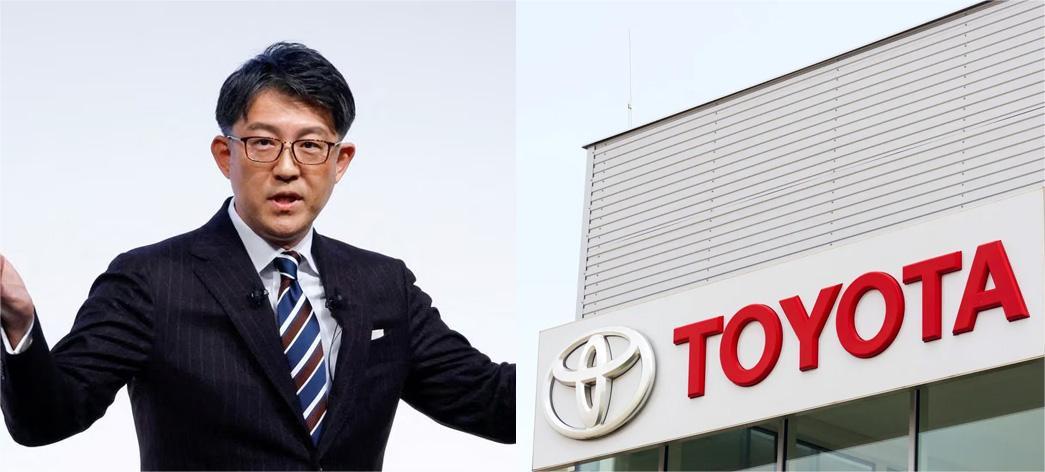
Something big is happening in the auto world, and it’s not what you think. While most automakers are doubling down on electric vehicles (EVs), Toyota is making a bold bet on hydrogen-powered cars—and their CEO believes this move could completely disrupt the EV industry. In a surprising twist, Toyota has unveiled a new hydrogen fuel cell vehicle (FCEV) that promises faster refueling, longer range, and potentially a cleaner environmental footprint than traditional battery-powered EVs. But is Toyota’s hydrogen gamble a stroke of genius or a risky misstep? Could hydrogen cars really overtake EVs, or is this just another niche alternative? Let’s dive deep into Toyota’s hydrogen revolution and what it means for the future of transportation.
Why Toyota Is Betting Big on Hydrogen (While Others Go All-In on EVs)
For years, Toyota has been a skeptic of full electrification, arguing that EVs aren’t the only solution for a zero-emission future. While competitors like Tesla, Ford, and GM push battery-electric vehicles (BEVs), Toyota has invested heavily in hydrogen fuel cell technology.
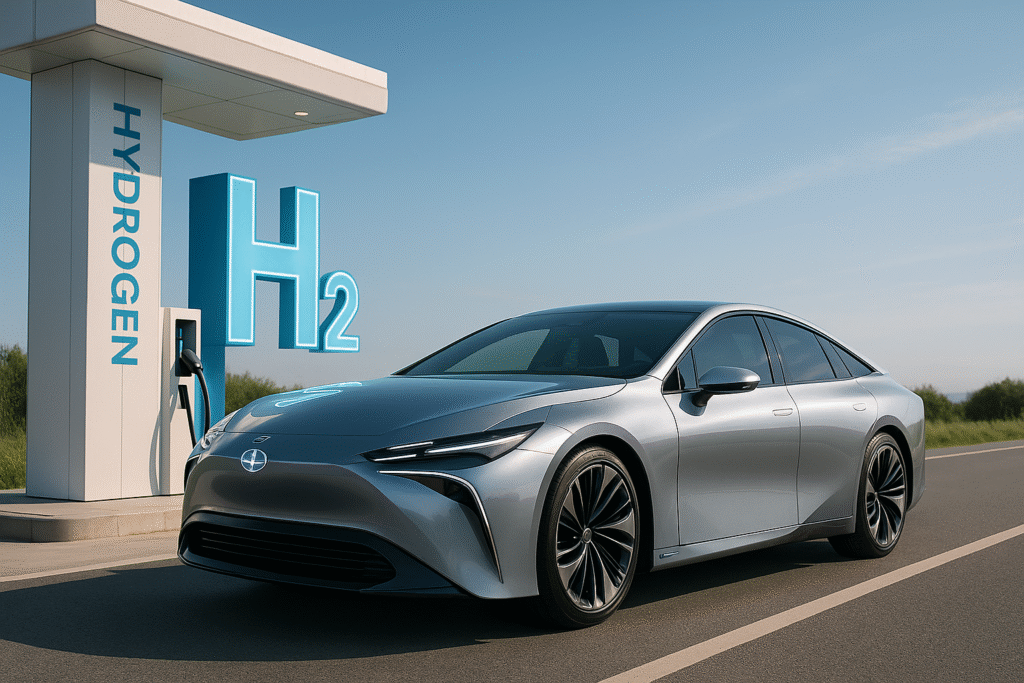
Toyota’s Hydrogen Vision: Key Advantages Over EVs
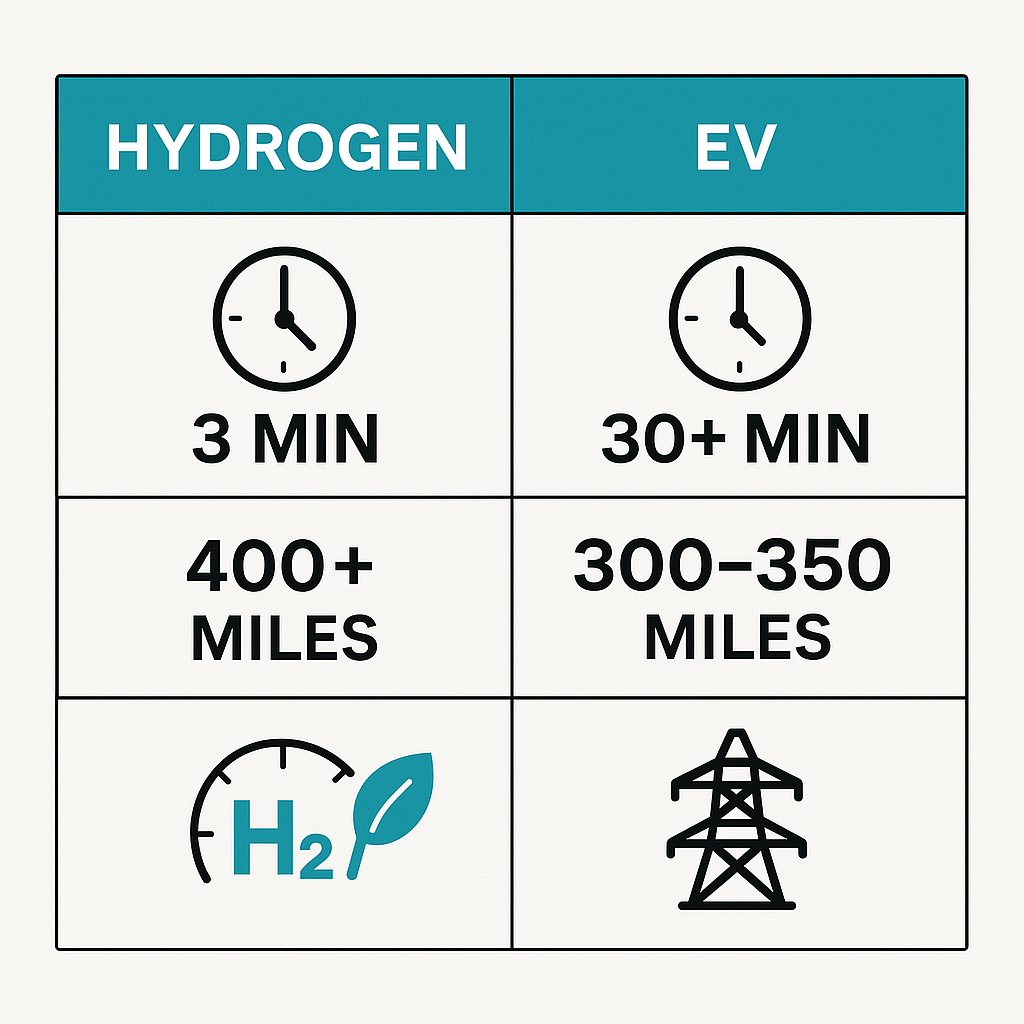
1. Faster Refueling – Unlike EVs that take 20-60 minutes to charge (even with fast chargers), hydrogen cars can refuel in just 3-5 minutes, similar to gasoline cars.
2. Longer Range – Toyota’s latest hydrogen models, like the Mirai, already offer 400+ miles per tank, outperforming many EVs.
3. Lower Weight – Hydrogen fuel cells are lighter than massive EV battery packs, improving efficiency and handling.
4. Better for Heavy-Duty Vehicles – Hydrogen may be more viable for trucks, buses, and industrial vehicles where battery weight and charging times are impractical.
5. Cleaner Production Potential – While most hydrogen today is made from natural gas (“gray hydrogen”), Toyota is pushing for green hydrogen (made using renewable energy), which could make FCEVs truly carbon-neutral.
Toyota’s New Hydrogen Car: What We Know So Far
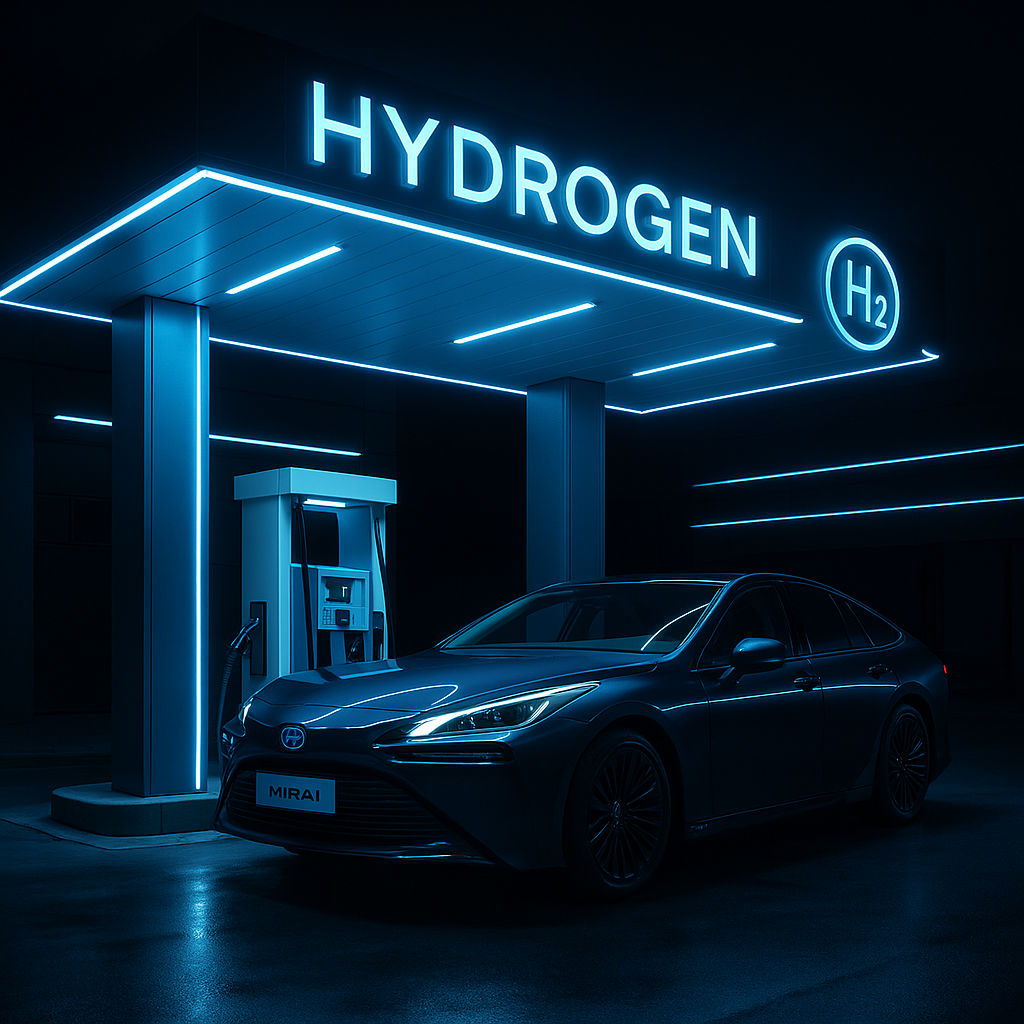
Toyota has been tight-lipped about specifics, but insiders suggest their next-gen hydrogen vehicle will be:
– More affordable (current Mirai costs ~$50,000, but subsidies help).
– More efficient (new fuel cells with better energy density).
– Part of a larger hydrogen ecosystem (Toyota is investing in hydrogen infrastructure, including partnerships for refueling stations).
Rumors also hint at a hydrogen-powered SUV or pickup, potentially competing directly with popular EVs like the Ford F-150 Lightning and Tesla Model Y.
Can Hydrogen Really Kill the EV Industry?
Toyota’s CEO has made bold claims, but experts are divided. Here’s the reality:
The Case FOR Hydrogen Dominance
– No Charging Anxiety – Consumers used to gas cars may prefer hydrogen’s quick refueling.
– Better for Cold Climates – EVs lose range in freezing temps, while hydrogen cars don’t.
– Heavy-Duty & Commercial Use – Long-haul trucking, shipping, and aviation may adopt hydrogen over bulky batteries.
The Case AGAINST Hydrogen Overtaking EVs
– Lack of Infrastructure – There are only ~1,000 hydrogen stations globally, vs. millions of EV chargers.
– Higher Costs – Producing green hydrogen is expensive, and FCEVs remain pricier than most EVs.
– Energy Losses – Converting electricity to hydrogen and back to power is less efficient than direct battery use.
– EVs Have a Huge Head Start – Tesla, BYD, and legacy automakers have already locked in EV supply chains, battery tech, and consumer adoption.
The Verdict: Will Hydrogen Cars Replace EVs?
Short answer: Not anytime soon.
While Toyota’s hydrogen push is exciting, EVs currently dominate due to infrastructure, cost, and industry momentum. However, hydrogen could carve out a major niche in:
– Long-haul transport (trucks, buses, ships).
– Regions with strong hydrogen support (Japan, Germany, California).
– Fleet vehicles where fast refueling is critical.
Toyota isn’t giving up on EVs (they’re still developing solid-state batteries), but they’re hedging their bets. If hydrogen infrastructure expands and costs drop, FCEVs could become a serious competitor—but EVs aren’t going away.
Final Thoughts: The Future Is Multi-Powered
The auto industry’s future may not be EV vs. Hydrogen, but a mix of both. Toyota’s hydrogen bet ensures they’re not left behind if FCEVs take off, while other automakers focus on perfecting batteries. One thing’s certain: The race for zero-emission vehicles is heating up, and Toyota just made it even more interesting.
What do you think? Will hydrogen cars overtake EVs, or is Toyota fighting a losing battle? Drop your thoughts in the comments!**