
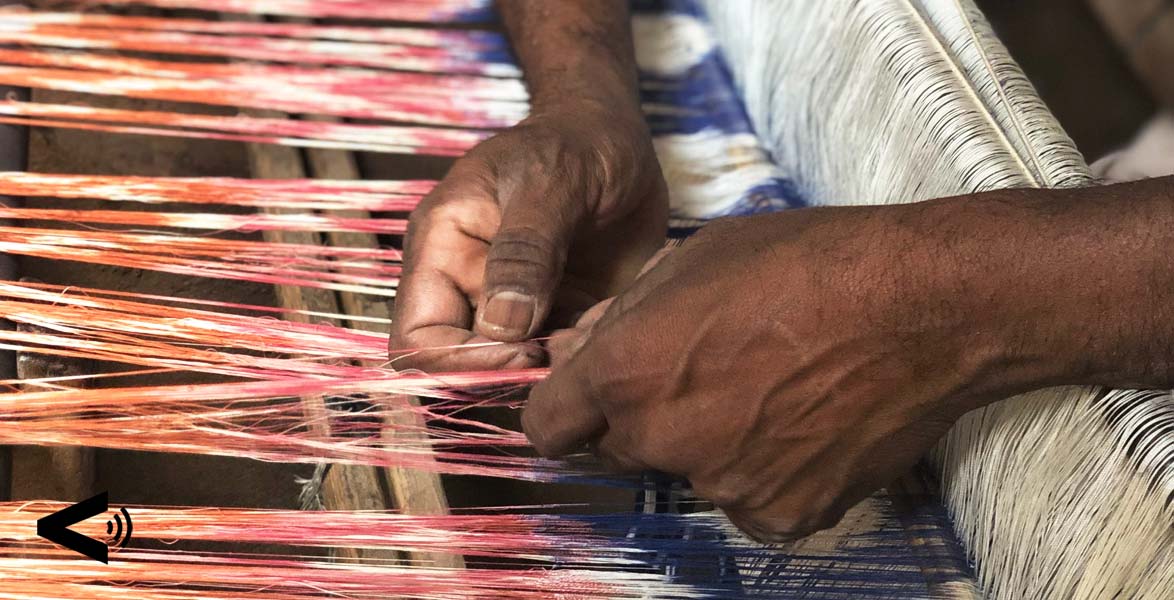
This third installment of our series continues to spotlight Indian fashion designers who are not merely crafting beautiful garments but are profoundly impacting rural artisan communities. We’ll delve into additional visionary designers, offering even more detailed insights into their specific contributions, the unique crafts they champion, the artisan communities they support, and the far-reaching socio-economic benefits their work brings to rural India. Our focus remains on their unwavering commitment to preserving traditional craftsmanship while empowering local economies, particularly for women artisans, through sustainable and innovative practices.
Expanded List of Indian Fashion Designers Reviving Traditional Crafts and Empowering Rural Artisans
1. Gaurang Shah
Gaurang Shah is a revered textile revivalist, celebrated for bringing handwoven Indian textiles like Kanjeevaram, khadi, jamdani, and Patan Patola back into mainstream fashion. His work is a meticulous exploration of intricate weaves such as Kanchi-Kalamkari, Tussar-Kanchi, and Organza-Kanchi, where traditional techniques meet contemporary designs. Shah’s collections are a grand celebration of India’s weaving heritage, often incorporating motifs inspired by ancient temple architecture and nature. He is notably credited with revitalizing the jamdani weaving community in Andhra Pradesh and Telangana.
Shah collaborates with over 700 weavers across clusters in Pranpur (Madhya Pradesh), Uppada, Pochampally, Gadwal (Telangana), and Kota (Rajasthan). His atelier provides advanced training in weaving techniques, fostering design innovation and stringent quality control, ensuring artisans can meet the demands of modern markets. By offering consistent orders and fair wages, Shah empowers rural artisans, particularly women, enabling them to achieve significant financial independence. His initiatives have breathed new life into weaving communities, with artisans earning sustainable incomes of approximately Rs. 5,000–8,000 per month, depending on the complexity of their work. His collections, showcasing intricate Kanjeevaram sarees and jamdani kurtas, have been featured at Lakmé Fashion Week and worn by celebrities, significantly amplifying the visibility of traditional crafts.
2. Payal Khandwala
Payal Khandwala’s eponymous label is recognized for its revival of handwoven textiles like khadi, cotton, and Banarasi silk, transformed with bold, color-blocked designs that resonate globally. Her work seamlessly integrates traditional techniques such as hand-block printing and zari embroidery, reimagining them into eccentric, millennial-friendly silhouettes. Khandwala’s designs emphasize the tactile beauty of handlooms, ensuring their relevance in contemporary wardrobes.
Khandwala collaborates with artisan clusters in Gujarat, Uttar Pradesh, and West Bengal, employing over 300 weavers and embroiderers. Crucially, her brand ensures year-round work, moving beyond seasonal collaborations, and provides artisans with healthcare benefits and fair wages. Her ethical production model empowers women artisans, many of whom are primary breadwinners, to earn sustainable incomes of Rs. 4,000–6,000 per month. Her collaborations with NGOs like SEWA further support rural women in achieving financial independence. Her vibrant collections have been showcased at Lakmé Fashion Week and worn by leading Bollywood celebrities, boosting the visibility of handloom crafts.
3. Sailesh Singhania
Sailesh Singhania is a fervent advocate for handloom textiles, dedicated to reviving traditional weaves like Banarasi silk, Kota Doria, and Chanderi. His designs incorporate intricate zari work and handwoven motifs, blending them with modern aesthetics to create luxurious sarees and garments. Singhania’s work is deeply focused on preserving the artistry of Indian weavers, making traditional textiles aspirational for younger generations.
Singhania works with over 700 weavers across clusters in Varanasi, Pranpur, and Kota, providing vital training in modern weaving techniques and fostering design collaboration. His atelier ensures fair wages and consistent work, empowering rural artisans, particularly women, to earn sustainable incomes of approximately Rs. 5,000–7,000 per month, contributing significantly to their financial stability. His Banarasi sarees, showcased at India Couture Week, feature intricate zari and meenakari work, blending traditional craftsmanship with contemporary elegance.
4. Roopa Pemmaraju
Roopa Pemmaraju’s eponymous label is a vibrant tribute to India’s handwoven textiles and traditional crafts like block printing, hand weaving, and kalamkari. Her colorful designs integrate tribal motifs and natural dyes, blending them into luxurious silhouettes that embody slow fashion principles. Pemmaraju’s work not only celebrates India’s artisanal heritage but also champions sustainable practices.
Pemmaraju collaborates with artisan clusters in Andhra Pradesh, Gujarat, and Karnataka, employing over 400 artisans, predominantly women. Her brand provides specialized training in block printing and hand weaving, enabling artisans to create high-value products for global markets. By offering fair wages and comprehensive social support, Pemmaraju empowers rural women to achieve financial independence, with artisans earning Rs. 4,500–6,500 per month. Her collections, featuring kalamkari sarees and block-printed dresses with vibrant tribal motifs, have garnered international recognition for their ethical and socially responsible approach.
5. Palak Shah (Ekaya Banaras)
Palak Shah’s label, Ekaya Banaras, is celebrated for its dedication to reviving handwoven Banarasi sarees. She introduces innovative techniques like reverse cutwork, where weavers meticulously remove specific threads to create intricate patterns. Her designs seamlessly blend traditional Banarasi weaves with modern aesthetics, utilizing natural dyes and sustainable materials to appeal to connoisseurs worldwide.
Shah works with over 500 weavers in Varanasi, providing comprehensive training in advanced weaving techniques and design innovation. Her brand ensures fair wages and consistent work, empowering women weavers to earn sustainable incomes of Rs. 5,000–8,000 per month. Ekaya’s long-term partnerships with artisan families foster significant economic stability and ongoing skill development, preserving the legacy of Banarasi weaving while adapting it to modern tastes.
6. Rta Kapur Chishti (Taanbaan)
Rta Kapur Chishti, a distinguished textile revivalist and author, is committed to preserving handwoven sarees and home furnishings crafted from organic desi cotton and silk. Her label, Taanbaan, specializes in limited-edition pieces that celebrate traditional weaves like khadi, jamdani, and tussar silk, blending them with minimalist designs.
Chishti collaborates with weaver clusters in West Bengal, Andhra Pradesh, and Uttar Pradesh, employing over 300 artisans. Her initiatives, supported by the Weavers Service Centres, provide training in organic weaving and natural dyeing, ensuring artisans can create high-value products. Taanbaan’s ethical model empowers women weavers, offering them sustainable incomes of Rs. 4,000–6,000 per month and actively fostering community development. Her collections, showcased at textile exhibitions, feature handwoven sarees with subtle motifs, emphasizing sustainable and organic weaves.
7. Mayank Mansingh Kaul
Mayank Mansingh Kaul, a New Delhi-based textile designer and curator, is renowned for his efforts to decolonize Indian textile design. He skillfully blends traditional crafts like khadi, jamdani, and Banarasi weaves with contemporary aesthetics. His curatorial projects, such as the Vishwakarma exhibitions, celebrate India’s artisanal heritage, incorporating tribal motifs and handwoven textiles into modern designs.
Kaul collaborates with artisan communities in West Bengal, Uttar Pradesh, and Odisha, employing over 200 weavers and embroiderers. His initiatives provide crucial training in design innovation and market access, ensuring artisans earn sustainable incomes of Rs. 4,500–6,500 per month. His work with organizations like the Handloom and Handicrafts Export Corporation (HHEC) directly supports rural artisans by connecting them to global markets.
8. Gaurav Jai Gupta (Akaaro)
Gaurav Jai Gupta’s label, Akaaro, focuses on reviving handwoven textiles like khadi, merino wool, and even stainless steel-blended fabrics. He creates avant-garde designs with a minimalist aesthetic, incorporating traditional weaving techniques from Gujarat and West Bengal. His experimental approach blends these traditions with unconventional materials to create futuristic garments.
Gupta works with weaver clusters in Gujarat and West Bengal, employing over 250 artisans, predominantly women. His brand provides training in innovative weaving techniques and ensures market access, guaranteeing fair wages and sustainable livelihoods. Artisans working with Akaaro typically earn approximately Rs. 4,000–6,000 per month, contributing significantly to their financial independence. His collections, showcased at Lakmé Fashion Week, feature unique metallic weaves and demonstrate a blend of traditional craftsmanship with cutting-edge innovation.
9. Lekhinee Desai and Hetal Desai (The Indian Ethnic Co.)
The mother-daughter duo behind The Indian Ethnic Co., founded in 2016, are dedicated to reviving traditional crafts like ajrakh hand-block printing, bandhani, and chikankari. They skillfully blend these techniques with contemporary fusion wear, incorporating vibrant motifs and natural dyes to appeal to younger audiences.
The Indian Ethnic Co. works with nearly 1,000 artisans across Kutch (Gujarat), Uttar Pradesh, and Rajasthan, providing essential training in modern printing and embroidery techniques. Their brand ensures fair wages and consistent work, with artisans earning Rs. 5,000–7,000 per month. Their robust e-commerce platform has enabled rural artisans to reach global markets, achieving a turnover exceeding $1.2 million by 2023.
10. Khitish Pandya (Eco Tasar)
Khitish Pandya’s Eco Tasar, launched in 2007, specializes in Tasar silk, a natural, eco-friendly fiber, alongside other handwoven fabrics like linen, cotton, and wool. His brand transforms these materials into exquisite sarees, scarves, and home furnishings, specifically reviving traditional weaving techniques from Bhagalpur, Bihar.
Eco Tasar employs over 1,000 women artisans in Bhagalpur, providing comprehensive training in handloom weaving and product development. The brand’s collaboration with the NGO PRADAN ensures fair wages and sustainable livelihoods, with artisans earning Rs. 4,500–6,500 per month. Pandya’s social enterprise model has significantly empowered rural women; many of them own the yarn-making subsidiary Masuta, fostering true community-led economic growth.
Deep Research Insights: The Woven Fabric of Impact
The collective endeavors of these Indian fashion designers form a powerful movement that transcends mere commerce, embodying a profound commitment to India’s rich artisanal heritage.
Broader Impact of These Designers
- Economic Empowerment: India’s handicraft and handloom sectors are immense, employing over 23 million artisans, making them the nation’s second-largest employer after agriculture. Designers like Gaurang Shah and Sailesh Singhania directly support thousands of artisans, with clusters in regions like Pranpur and Varanasi experiencing significant economic revitalization due to consistent orders and fair wages.
- Women’s Empowerment: Women constitute a substantial majority of India’s artisan workforce, with 40 million of 50 million home-based workers in South Asia being women. Designers such as Lekhinee Desai and Khitish Pandya specifically prioritize women-led clusters, providing them with training and crucial financial independence. This empowerment often translates into improved education and healthcare for their families.
- Global Reach: Indian designers are actively leveraging international platforms like Paris Fashion Week, London Fashion Week, and New York Fashion Week to showcase Indian crafts to a global audience. Rahul Mishra’s collections at Paris Haute Couture Week and Sabyasachi’s exhibitions in Mumbai exemplify how Indian textile heritage is gaining worldwide recognition.
- Sustainability: The consistent use of organic cotton, natural dyes, and handwoven textiles across these brands aligns perfectly with the growing global demand for sustainable fashion. The Indian sustainable fashion market is projected to reach $9.81 billion by 2025. Designers like Roopa Pemmaraju and Palak Shah are champions of eco-friendly practices, reducing environmental impact while preserving traditional crafts.
Specific Craft Revival Efforts
- Textiles and Weaves: Designers such as Gaurang Shah (jamdani, Kanjeevaram), Sailesh Singhania (Banarasi, Chanderi), and Rina Singh (khadi, Kota Doriya) are dedicated to handwoven textiles, ensuring the survival of techniques that are centuries old and intensely labor-intensive, requiring exceptional artisan skill.
- Embroidery and Printing: Payal Khandwala’s innovative use of block printing, Roopa Pemmaraju’s work with kalamkari, and The Indian Ethnic Co.’s ajrakh printing are examples of how traditional techniques are being revived and adapted to contemporary fashion trends, ensuring their commercial viability.
- Tribal and Regional Art: Designers like Aarti Vijay Gupta (Madhubani, Warli) and Doman Tudu (Sohrai, Kohvar) are seamlessly incorporating tribal motifs into textiles. This not only preserves indigenous art forms but also creates new income streams for rural communities.
Challenges and Solutions
Despite these significant advancements, artisans and designers still face considerable challenges:
- Declining Interest Among Youth: Younger generations sometimes shy away from traditional crafts due to perceived low financial returns and the allure of modern career paths.
- Competition from Fast Fashion: The prevalence of mass-produced textiles poses a significant threat to handloom markets, as artisans struggle to compete on price.
- Limited Market Access: Many rural artisans lack direct access to broader urban and global markets, often relying on intermediaries who reduce their potential profits.
However, designers are actively implementing innovative solutions:
- Digital Literacy and E-Commerce: Designers like Lekhinee Desai are empowering artisans by training them in e-commerce and social media marketing, leveraging platforms like Amazon and Etsy to connect directly with global consumers.
- Government Support: Schemes such as the National Handloom Development Programme (2021–2026) provide crucial support for raw materials, technology upgrades, and marketing, as demonstrated by JHARCRAFT’s initiatives.
- Collaborations with NGOs: Partnerships with organizations like SEWA, PRADAN, and Dastkar, as seen with Anita Dongre and Khitish Pandya, ensure artisans receive consistent training and fair compensation.
- Innovative Design: Designers like Gaurav Jai Gupta and Palak Shah are blending traditional crafts with avant-garde and modern silhouettes, making them highly appealing to younger audiences and global markets.
Socio-Economic Impact
- Artisan Livelihoods: The combined efforts of these designers support thousands of artisans. Clusters in places like Bhagalpur (Eco Tasar), Varanasi (Ekaya Banaras), and Kutch (The Indian Ethnic Co.) are experiencing notable economic growth. Artisans are earning between Rs. 4,000–8,000 per month, significantly higher than local agricultural wages, which enables them to invest in education and healthcare for their families.
- Cultural Preservation: By integrating crafts like Tasar silk, Banarasi weaves, and various tribal arts into high fashion, these designers ensure their survival in a globalized market. Major exhibitions, like Sabyasachi’s showcase in Mumbai and JHARCRAFT’s Kuchai Silk Expo, significantly amplify the visibility of India’s cultural heritage.
- Women’s Empowerment: Women artisans, who form the majority of the handloom and handicraft sectors, gain financial independence and increased social respect. For example, Eco Tasar’s women-owned subsidiary, Masuta, empowers artisans to control production and profits, fostering a greater sense of ownership and agency.
- Global Influence: Indian designers are increasingly shaping global luxury aesthetics. Crafts like chikankari and bandhani are now being featured in collections by international brands, highlighting India’s growing influence in the global fashion and affordable luxury markets.
Conclusion
These Indian fashion designers represent the vanguard of a movement dedicated to revitalizing India’s extraordinary artisanal heritage. Simultaneously, they are fundamentally transforming the lives of rural artisans, especially women, by providing sustainable livelihoods. Through their ingenious blend of traditional crafts—such as jamdani, Banarasi, khadi, and diverse tribal arts—with contemporary designs, they ensure both cultural preservation and economic viability. Their strategic collaborations with NGOs, vital government initiatives like JHARCRAFT, and innovative use of digital platforms have dramatically expanded market access, making Indian crafts admired globally. Despite facing persistent challenges like the intense competition from fast fashion and the dwindling interest among younger generations, their inventive approaches and unwavering ethical practices are cultivating a vibrant ecosystem where tradition not only endures but thrives alongside modernity. Their work is a powerful testament to India’s cultural legacy and its burgeoning role as a global leader in both sustainability and exquisite craftsmanship.