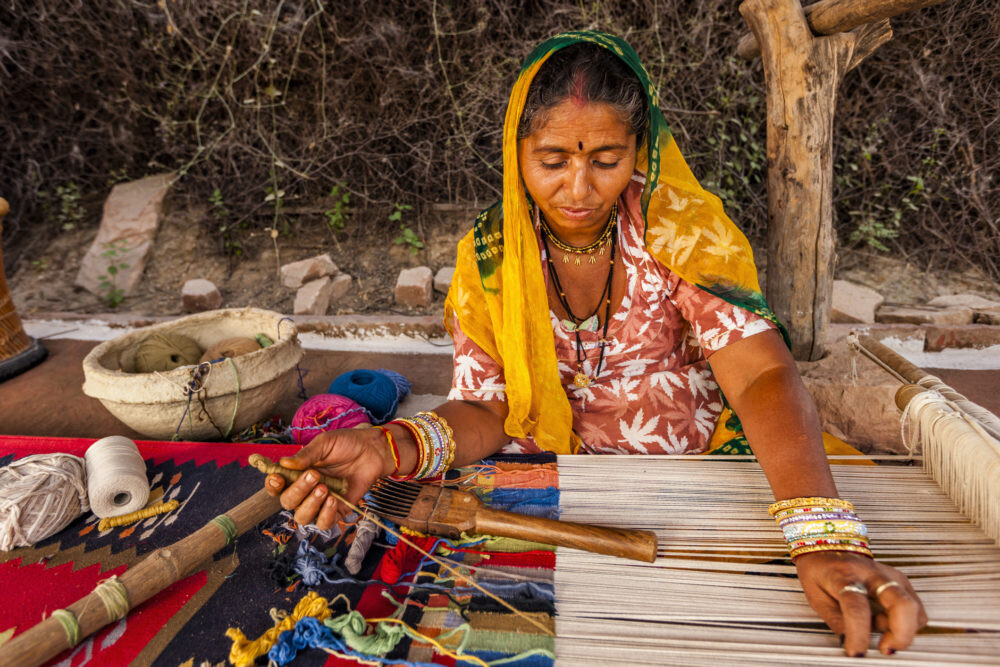
India’s vibrant cultural heritage is inextricably linked to its diverse craft traditions, a legacy meticulously preserved through generations of skilled artisans. In an era dominated by rapid industrialization, a dedicated cadre of Indian fashion designers is stepping forward, not just as creators of style, but as custodians of these age-old art forms. These visionary individuals are forging powerful collaborations with rural artisan communities, seamlessly blending traditional craftsmanship with contemporary aesthetics. Their efforts are not only revitalizing invaluable cultural practices but are also providing crucial livelihoods and fostering economic empowerment, particularly for women artisans across countless Indian villages. This post delves into the remarkable contributions of leading designers who are at the forefront of sustaining India’s traditional crafts and building a more equitable and sustainable fashion future.
Pioneers of Preservation: Designers Weaving Impact
The landscape of Indian fashion is undergoing a significant transformation, driven by designers committed to ethical practices and the revival of indigenous artistry. Here are some key figures leading this movement:
1. Anita Dongre: Grassrooting Sustainable Fashion
Anita Dongre, a stalwart in the Indian fashion industry, leads with her sustainable brand, Grassroot, launched in 2015. Her work is a profound ode to Indian handloom and handicraft traditions. Dongre actively engages with artisans to preserve techniques like intricate block printing, diverse forms of embroidery (including zari, zardozi, and gota patti), and handwoven textiles such as khadi, chanderi, and Banarasi silk. Her designs thoughtfully incorporate regional crafts from Rajasthan, Gujarat, and other states, reimagining them into modern silhouettes, fusion wear, and ready-to-wear lines.
Through Grassroot and strategic partnerships with NGOs like SEWA (Self Employed Women’s Association), Dongre directly employs over 2,700 individuals and indirectly supports thousands more. Her initiatives empower rural women artisans in villages across Rajasthan, Gujarat, and Uttar Pradesh by providing essential training, access to raw materials, and fair wages. This model allows artisans to earn from their homes, fostering financial independence. The House of Anita Dongre has emerged as a blueprint for sustainable fashion, ensuring that artisans’ skills are celebrated and valued globally. Her Grassroot collections, featuring handwoven sarees, kurtas, and lehengas with intricate embroidery, are showcased at prestigious events like Lakmé Fashion Week and international platforms.
2. Ritu Kumar: A Legacy of Textile Conservation
Ritu Kumar stands as a true pioneer in Indian textile conservation, dedicating decades to the revival of traditional crafts such as zardozi, chikankari, bandhani, and jamdani. Her eponymous label and sub-brand, Label Ritu Kumar, consistently feature handwoven textiles and elaborate embroideries, often drawing inspiration from India’s royal heritage and vibrant folk traditions. Her scholarly work, Costumes and Textiles of Royal India, serves as an invaluable resource for preserving India’s rich textile legacy.
Kumar collaborates with artisan clusters across West Bengal, Uttar Pradesh, and Gujarat, providing crucial training and market access. Her extensive work sustains the livelihoods of countless weavers and embroiderers in rural areas. Notably, her efforts have significantly empowered women artisans, particularly in Lucknow’s famed chikankari hubs, by connecting their traditional skills to broader urban markets. Her collections, including sarees, lehengas, and contemporary fusion wear adorned with chikankari and bandhani, are celebrated at fashion weeks and graced by prominent personalities.
3. Rahul Mishra: Global Couture Rooted in Indian Craft
Rahul Mishra is internationally recognized for his sustainable and inclusive approach to fashion. He is instrumental in reviving crafts like chikankari, zardozi, and exquisite handwoven silk weaves from regions such as Chanderi and Benaras. Mishra’s collections are celebrated for their seamless blend of Indian craftsmanship with a global aesthetic, often incorporating subtle tribal art influences and the use of natural dyes. His presentations at major international events, such as the 2024 Paris Fashion Week, have showcased designs inspired by diverse cultures, underscoring the universal appeal and relevance of Indian crafts.
Mishra’s atelier supports over 1,000 artisans across rural India, particularly in Uttar Pradesh and Madhya Pradesh, providing them with consistent work and equitable wages. His commitment to empowering women embroiderers allows them to support their families while preserving their ancestral crafts. Through collaborations with weavers, he ensures that handloom traditions remain economically viable in the face of fast fashion’s dominance. His haute couture collections, often inspired by Indian mythology and nature, have been presented at Paris Haute Couture Week and worn by international celebrities, amplifying the reach of Indian craftsmanship.
4. Sabyasachi Mukherjee: Redefining Bridal and Couture
Sabyasachi Mukherjee is synonymous with the opulent revival of traditional Indian crafts. He masterfully integrates techniques like bandhani, kantha, zardozi, and block printing into his luxurious bridal and couture collections. His designs draw heavily from Bengal’s rich textile traditions, including handwoven jamdani and tant sarees, artfully blending them with contemporary silhouettes to create iconic pieces.
Through his eponymous label, Sabyasachi works closely with artisan clusters in West Bengal, Rajasthan, and Gujarat, providing employment to hundreds of skilled weavers and embroiderers. His initiatives are focused on empowering women artisans by offering specialized training and crucial market linkages, ensuring their crafts achieve commercial success. His iconic bridal lehengas and sarees, renowned for their intricate zardozi and kantha work, define Indian bridal fashion. Collaborations with international luxury brands and major exhibitions further elevate the global recognition of Indian artisans’ contributions.
5. Mrunalini Rao: Hyderabad’s Weave Renaissance
Hyderabad-based designer Mrunalini Rao is celebrated for her efforts in reviving traditional weaves such as jamdani, Banarasi, and chanderi, alongside intricate embroidery techniques like zardozi and aari. Her collections are a harmonious blend of these traditional crafts with modern cuts, resulting in couture that appeals to both Indian and international markets.
Rao collaborates with weavers and artisans in Telangana, Andhra Pradesh, and Uttar Pradesh, providing them with consistent orders and essential training. Her studio actively supports rural women embroiderers, enabling them to earn sustainable incomes while preserving their intricate craft. Her collections, frequently showcased at Lakmé Fashion Week, feature handwoven sarees and lehengas adorned with elaborate embroidery, often inspired by India’s rich architectural heritage and natural beauty.
6. Brinda Dudhat (Morii Design): Ethical Luxury with Rabari Roots
Brinda Dudhat, the visionary behind Morii Design, is dedicated to the revival of Rabari embroidery, Bela block printing, and the use of naturally dyed cotton and silk fabrics. Her designs ingeniously combine these age-old techniques with modern motifs, creating exquisite and sustainable luxury products.
Dudhat works directly with artisans in Gujarat, providing not only paid training but also upfront compensation through a transparent fee structure that acknowledges the complexity of each project. Her commitment empowers rural women embroiderers and weavers, providing them with financial security and vital market access. Morii Design’s unique pieces, featuring Rabari embroidery layered over block-printed fabrics, have garnered attention in exhibitions and are sought after by collectors and galleries, setting a high standard for ethical fashion.
7. Sandeep Sangaru: Channapatna’s New Horizon
Sandeep Sangaru has taken the traditional wood lacquered craft of Channapatna, historically known for toys, and transformed its application. He has innovatively expanded this technique to create larger furniture pieces, ensuring the craft’s viability in contemporary markets.
Sangaru collaborates closely with artisans in Karnataka, providing specialized training in furniture construction to adapt their existing skills for larger objects. His groundbreaking work supports rural artisans by opening new income streams and securing the future of the unique Channapatna craft. His furniture designs, which seamlessly blend the vibrant lacquered wood of Channapatna with modern aesthetics, have been prominently featured in design exhibitions, drawing global attention to this distinctive Indian craft.
8. Anu Tandon (The Retyrement Plan): Sustainable Crafting from Waste
Anu Tandon’s innovative brand, The Retyrement Plan, takes a unique approach to sustainability by upcycling waste materials such as old tires and salvaged weaving material. These discarded resources are transformed into distinct furniture and home decor items, all while incorporating traditional weaving techniques prevalent in rural India.
Tandon works directly with artisans in rural areas, providing them with training and necessary raw materials to create these eco-friendly products. Her initiatives are particularly focused on empowering women artisans, offering them sustainable livelihoods through the creation of environmentally conscious crafts. Her collections, featuring upcycled furniture with handwoven textiles, are showcased in various design markets and exhibitions, demonstrating a successful blend of sustainability with traditional Indian craftsmanship.
9. Manvee Vaid (Terra Klay): Globalizing Manipur’s Black Pottery
Manvee Vaid, through her Illinois-based startup Terra Klay, is a champion for Manipur’s distinctive black pottery. This traditional craft, primarily practiced by women artisans in the region, is being introduced to global markets, with designs thoughtfully adapted for contemporary use.
Vaid collaborates directly with women artisans in Longpi, Manipur, facilitating the sale of their exquisite black-clay teapots and kitchenware to international markets, including the U.S. Her efforts directly contribute to the financial independence and community respect for these women, even enabling them to purchase land for their pottery studios. Terra Klay’s black pottery products have gained significant popularity, showcasing Manipur’s unique, eco-friendly craft heritage to a worldwide audience.
10. Doman Tudu and Shruti Shrestha: Jharkhand’s Artistic Renaissance
Young and dynamic designers from Jharkhand, Doman Tudu and Shruti Shrestha, are leading the revival of tribal art forms like Sohrai and Kohvar. Traditionally painted on mud walls, these indigenous art forms are now being beautifully incorporated into textiles such as sarees and skirts, seamlessly blending ancient traditions with contemporary fashion.
Through collaborations with initiatives like JHARCRAFT and other platforms, they provide crucial support to tribal artisans in Jharkhand, offering training and access to broader markets. Their efforts empower rural communities, especially women, by generating new income streams through the production of these unique textiles. Their collections, featuring Sohrai and Kohvar motifs on handwoven sarees, have garnered significant attention in national markets. By skillfully adapting tribal art to modern fashion, Tudu and Shrestha ensure that Jharkhand’s rich cultural heritage remains vibrant and economically sustainable for future generations.
Broader Impact and Future Horizons
These pioneering designers are integral to a larger, transformative movement aimed at reviving India’s vast craft heritage. With over 23 million artisans, the craft sector stands as India’s second-largest employer after agriculture. The work of these designers directly addresses critical challenges faced by artisans, including financial insecurity, limited market access, and the pressure from mass-produced goods. Through their collaborations with NGOs, government bodies like JHARCRAFT, and organizations such as Dastkar and SEWA, they provide multifaceted support:
- Training and Skill Development: Artisans receive vital training in contemporary design techniques, enabling them to adapt traditional crafts for modern markets without compromising authenticity.
- Fair Wages and Empowerment: Transparent payment systems and consistent orders ensure financial stability, particularly for women artisans, who comprise a significant portion of South Asia’s home-based workers.
- Market Access: Leveraging online platforms, urban showrooms, and international exports, these designers connect artisans directly to global consumers, ensuring their unique crafts remain commercially viable and appreciated worldwide.
- Sustainability: The emphasis on natural dyes, handwoven textiles, and eco-friendly materials aligns seamlessly with the growing global demand for sustainable fashion, thereby preserving both cultural and environmental heritage.
Despite these impressive strides, the path forward is not without challenges. Designers often face hurdles such as inadequate funding, intense competition from fast fashion, and the unfortunate reluctance of younger generations to continue traditional crafts. To overcome these, there is a strong advocacy for:
- Education and Awareness: Integrating craft education into school curricula to inspire and equip youth to embrace and carry forward these invaluable traditions.
- Digital Platforms: Maximizing the potential of e-commerce and social media to reach wider markets, building on the success of artisans already leveraging platforms like WhatsApp and Instagram for direct sales.
- Government Support: Strengthening policies and schemes, similar to those offered by JHARCRAFT and the Ministry of Textiles, to provide essential infrastructure, marketing support, and protective frameworks for artisan communities.
By passionately blending tradition with modernity, these designers are not merely preserving India’s magnificent cultural heritage; they are actively creating sustainable livelihoods for rural artisans, ensuring that cherished crafts like chikankari, bandhani, and various tribal arts continue to thrive and shine brightly in the global fashion landscape for generations to come.