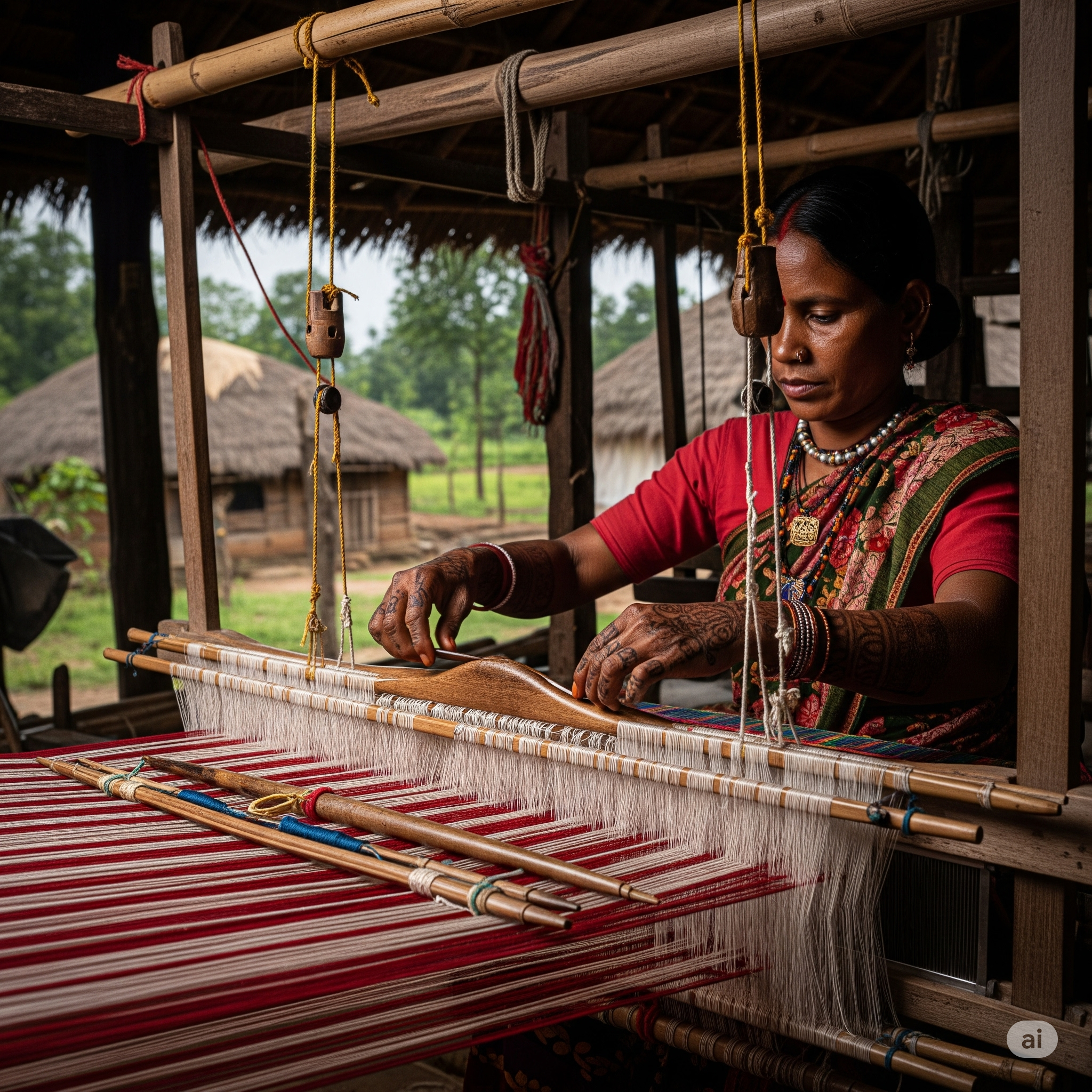
Jharkhand is quietly but powerfully establishing its presence on the global stage by merging its rich heritage of tribal textiles with contemporary fashion trends. This movement, driven by talented local fashion designers, holds immense promise for the young state. These designers are dedicated to preserving Jharkhand’s cultural legacy through the enduring art of weaving, allowing threads and textiles to tell compelling stories.
A new generation of fashion designers in Jharkhand is skillfully blending traditional tribal attire from various communities with the demands of today’s trendy world. Their extensive clothing collections, available on numerous online platforms, are garnering international attention.
Empowering Artisans and Revitalizing Heritage
These digital platforms are not only breathing new life into age-old art forms but also providing crucial livelihoods for rural artisans across the state. This empowers them to showcase their exceptional craftsmanship to a global audience. For some, this endeavor is a means to forge a distinct identity for Jharkhand, a cause that fueled its separation from Bihar in 2000.
Consider Doman Tudu, a graduate of the National Institute of Fashion Technology (NIFT), Bengaluru. He established his brand, Rusicaa, with the goal of promoting Jharkhandi attire. Tudu innovates by incorporating traditional art forms like Sohrai and Kohvar paintings into his designer garments. His creations, including sarees, kurtis, dupattas, and other women’s apparel featuring tribal motifs, are now highly sought after.
“We’ve seen high demand for our products since we started our initiative in 2017,” says Tudu. “My sole motive was to generate livelihoods for rural artisans and establish the state’s heritage globally. Currently, at least 40 weaver households are associated with me, generating annual business of around Rs 45-50 lakhs.”
Ashish Satyavrat Sahu, another NIFT Gandhinagar alumnus, noticed the absence of Jharkhand’s tribal attire in mainstream fashion. This led him to found his venture, Johargram, in 2020.
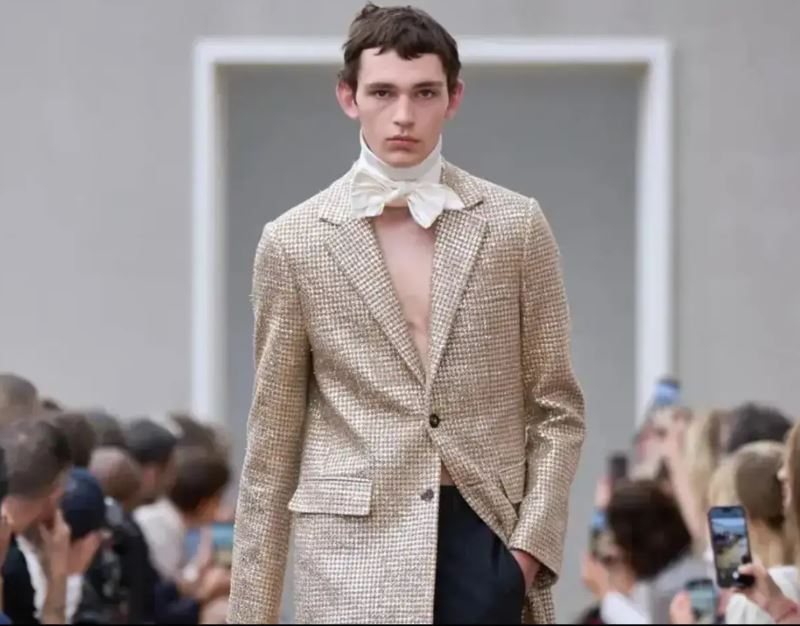
“During the COVID period, I extensively researched Jharkhand’s tribal attires, bringing to the forefront the crafts and textiles of rural weavers,” Ashish explains. “Our aim is to establish Jharkhand’s identity globally through its attire. Our initiative transforms traditional items like sarees, shawls, gamchas, and turbans into fashionable jackets, shirts, pants, hoodies, and caps, all while preserving their traditional essence.”
Ashish’s garments have gained popularity among notable figures, including cricketer Mahendra Singh Dhoni and Jharkhand Chief Minister Hemant Soren. His products are also shipped internationally, and his work has been featured in various fashion shows nationwide.
Expanding Reach and Impact
Shruti Shrestha, another fashion designer and founder of Gulachin, is similarly transforming tribal textiles sourced from rural artisans into contemporary skirts, sarees, pants, and other modern outfits. “The garments have received wide acclaim from buyers across the country, and the industry has a bright future,” Shruti notes. “Attires once exclusively worn by the state’s tribes are now gaining popularity among a wider audience, which is a positive sign as it also generates better livelihood opportunities for our artisans.”
Jharkhand Silk Textile and Handicraft Development Corporation Ltd. (Jharcraft), a government-run entity, also plays a crucial role in creating sustainable livelihood opportunities in rural areas. Their efforts focus on sericulture, handloom, handicraft, and related activities. Empowering women through employment is a key objective for Jharcraft, enabling them to become self-reliant. Through Jharcraft, women typically earn around Rs 4,000 to Rs 5,000 per month, which significantly helps them support their families, educate their children, and contribute to their communities.