Established in 2006 by the Government of Jharkhand, the Jharkhand Silk Textile & Handicraft Development Corporation Ltd. (JHARCRAFT) stands as a testament to cultural preservation and economic growth in India’s tribal heartland. With a core mission to generate sustainable livelihood opportunities for rural artisans, JHARCRAFT has significantly transformed Jharkhand’s handloom, handicraft, and sericulture sectors. By skillfully integrating traditional craftsmanship with contemporary market demands, the organization has not only revitalized fading art forms but has also empowered thousands of artisans, particularly women, towards financial independence. This article explores JHARCRAFT’s impactful work, its influence on rural communities, and its role in showcasing Jharkhand’s rich cultural legacy on national and international platforms.
JHARCRAFT’s Foundation: A Vision for Rural Empowerment
JHARCRAFT was founded with the clear goal of uplifting rural artisans by fostering sustainable livelihoods through the production of silk, handloom items, and handicrafts. Operating from its headquarters in Ranchi, under the Department of Industry, Government of Jharkhand, JHARCRAFT has diligently worked since its inception to establish crucial connections throughout the production and marketing chain of handcrafted goods. This ensures artisans have consistent access to raw materials, training, design expertise, and robust market avenues.
Jharkhand, often referred to as the “land of forests,” is abundant in natural resources and cultural heritage, home to a significant tribal population. JHARCRAFT’s ethos aligns perfectly with the state’s values, prioritizing the preservation of unique artistic traditions like Dhokra metalwork, indigenous paintings, and Tasar silk production. Concurrently, it champions sustainable practices, including forestry and tree planting. By concentrating on cottage and household industries, JHARCRAFT has cultivated a model that maximizes employment with minimal investment, thereby contributing significantly to Jharkhand’s economic and social advancement.
Pillars of Progress: Handloom, Handicraft, and Sericulture
JHARCRAFT’s operations are built upon three fundamental pillars: handloom, handicraft, and sericulture. The organization provides comprehensive support across the entire value chain—from supplying raw materials and training artisans to marketing their products through its emporiums, online platforms, and export channels. Let’s delve into each area:
1. Sericulture: The Distinctiveness of Tasar Silk
JHARCRAFT is widely recognized for its dedication to promoting Tasar silk, a unique wild silk variety native to Jharkhand. Unlike mulberry silk, Tasar silk production involves outdoor rearing, making it an eco-friendly process that supports forestry and biodiversity. JHARCRAFT’s initiatives have successfully branded “Kuchai Silk” in both national and global markets. The organization offers training to sericulture farmers, supplies premium cocoons, and upholds sustainable production methods. Products such as organic silk sarees, designer apparel, and home furnishings have gained popularity for their natural texture and environmentally conscious appeal.
JHARCRAFT’s sericulture programs provide employment to thousands of rural artisans, especially in remote regions. By employing Post Graduate diploma holders in Handloom and Sericulture as Cluster Development Executives (CDEs) and Project Managers, the organization ensures professional oversight and quality control across its village clusters.
2. Handloom: Fusing Heritage with Modernity
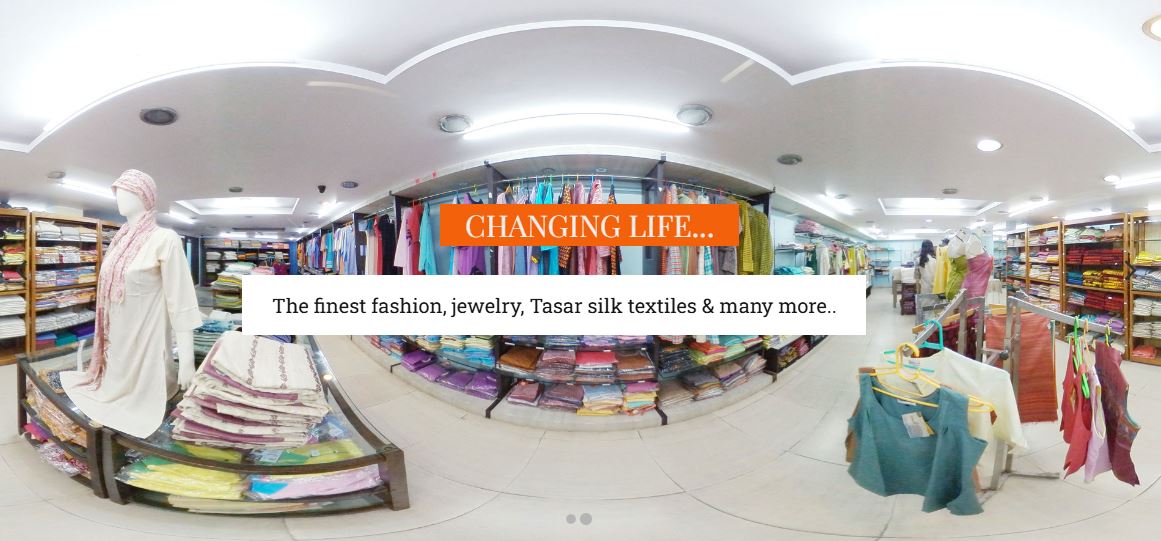
In the handloom sector, JHARCRAFT focuses on producing high-quality cotton, silk, and blended fabrics, which include sarees, various apparel for men and women, and home decor items. The organization has established work-sheds in villages, providing necessary facilities for artisans to work near their homes. These work-sheds offer training, raw materials, and modern looms, enabling weavers to create products that cater to contemporary market preferences. JHARCRAFT’s dyeing, finishing, and stitching units ensure rigorous quality control throughout the production process.
The handloom products range from traditional Bengal sarees to contemporary designer garments, often adorned with tribal motifs like Sohrai and Kohvar art. Collaborations with designers from prestigious institutions such as the National Institute of Fashion Technology (NIFT) and the National Institute of Design (NID) facilitate the creation of innovative designs that appeal to urban consumers and the youth. This harmonious blend of tradition and modernity has made JHARCRAFT’s handloom products highly sought after in metropolitan cities and beyond.
3. Handicrafts: Safeguarding Jharkhand’s Cultural Legacy
JHARCRAFT supports over 50,000 artisans in the handicraft sector, who produce a diverse array of items reflecting Jharkhand’s rich tribal heritage. Key handicrafts include:
- Dhokra Art: This ancient metal casting technique, practiced by the Malhore castes using the “Lost Wax Technique,” results in intricate bronze and copper figurines. JHARCRAFT, in partnership with organizations like Kalamandir in Jamshedpur, has revitalized this art form by providing artisans with marketing assistance and modern finishing techniques.
- Bamboo and Cane Products: Jharkhand’s abundant bamboo resources are transformed into furniture, jewelry, and various lifestyle products. JHARCRAFT’s Bamboo Treatment Plant in Mansumaria enhances durability by protecting bamboo from insects. Products like “Jeevika Agarbatti” (incense sticks) and cane furniture from Hazaribagh’s Urban Haat are growing in popularity.
- Terracotta, Lac Bangles, and Jute Products: JHARCRAFT actively promotes terracotta pottery, lac jewelry, and jute-based items like bags, reflecting the state’s vibrant craft traditions.
- Tribal Art and Paintings: Traditional art forms like Sohrai and Kohvar, historically painted on mud walls, are now integrated into textiles and home decor, thereby preserving Jharkhand’s distinct cultural identity.
Through comprehensive training, provision of raw materials, and market access, JHARCRAFT ensures that these crafts remain viable income sources for artisans while upholding their profound cultural significance.
Empowering Women and Rural Progress
A cornerstone of JHARCRAFT’s impact is its strong focus on women’s empowerment. Recognizing women as pivotal agents of social and economic change, the organization provides them with vital opportunities to achieve self-reliance. Through JHARCRAFT’s initiatives, women artisans typically earn approximately Rs. 4,000 to Rs. 5,000 per month. This income enables them to support their families, fund their children’s education, and contribute meaningfully to their communities. This financial infusion creates a positive ripple effect, fostering stability and upliftment in rural areas.
JHARCRAFT operates through Self-Help Groups (SHGs), NGOs, and dedicated project modules, establishing clusters in villages where artisans can work in well-equipped work-sheds. These clusters are overseen by master trainers and qualified managers to ensure consistent quality standards. By promoting cottage industries, JHARCRAFT has developed sustainable livelihood models that effectively utilize local resources and labor, making it a vital pillar of Jharkhand’s rural economy.
Marketing Reach and Global Ambitions
JHARCRAFT’s proactive marketing strategies have been instrumental in bringing Jharkhand’s crafts to a broader audience. The organization maintains showrooms in major Indian cities, including Delhi, Mumbai, Kolkata, and Bangalore, and also operates an online store, www.jharcraft.co, offering a range of clothing, accessories, and home decor items. JHARCRAFT is also a direct exporter, supplying high-quality silk, handloom, and handicraft products to international markets. Its Export-Import code has facilitated collaborations with renowned exporters, solidifying its global presence.
The organization regularly hosts events like the Kuchai Silk Expo to feature its Tasar silk products, with exhibitions held in cities like Ranchi and Lucknow. Furthermore, JHARCRAFT partners with corporations for Corporate Social Responsibility (CSR) initiatives, implementing sustainable livelihood programs for entities such as Bharat Coking Coal Limited and Central Coalfields Limited. These partnerships include artisan training and buy-back guarantees for their products, ensuring long-term sustainability.
JHARCRAFT’s franchise model allows various organizations to market its products both within and outside Jharkhand, while its consultancy services offer design assistance to other states and organizations. This multi-faceted approach has positioned JHARCRAFT as a prominent leader in the handloom and handicraft sectors.
Commitment to Sustainability and Cultural Preservation
JHARCRAFT’s dedication to sustainability is evident in its eco-friendly production methods. The rearing of Tasar silk naturally promotes forestry, requiring the cultivation of trees like Arjun and Asan, which enhances Jharkhand’s green cover. The organization’s handicrafts, inspired by nature, utilize natural materials such as bamboo, cane, and clay, thereby minimizing environmental impact.
By revitalizing traditional arts like Dhokra, Sohrai, and Kohvar, JHARCRAFT ensures that Jharkhand’s tribal heritage continues to thrive. Its collaborations with artisans and institutions like Kalamandir have modernized these crafts while preserving their authentic essence, making them appealing to both traditional enthusiasts and contemporary consumers.
Achievements and Recognition
JHARCRAFT’s significant impact has garnered widespread recognition. In 2012, it was honored with the Jharkhand Times Impact Award as the “Most Admired State PSU” for its substantial contributions to the state’s growth and well-being. With an impressive annual revenue and a workforce exceeding 50,000 artisans, JHARCRAFT continues to be a driving force for economic progress in Jharkhand. Its emporiums, such as the one in Mumbai’s Lokhandwala Complex, have become key destinations for showcasing Jharkhand’s exquisite craftsmanship.
Navigating Challenges and Future Trajectory
Despite its many successes, JHARCRAFT faces challenges, including the ongoing need for greater technological integration and broader market penetration. The organization is actively addressing these by seeking software solutions for accounting systems and issuing tenders for operational software development. Expanding its digital footprint and optimizing supply chains will be critical for scaling its operations effectively.
Looking ahead, JHARCRAFT aims to further strengthen its global presence by increasing exports and forging partnerships with more international brands. Its unwavering focus on sustainable practices and women’s empowerment positions it as a model for other states to emulate. By continuously blending tradition with innovation, JHARCRAFT is set to lead India’s handicraft and handloom sectors into a new and prosperous era.
Conclusion
JHARCRAFT is more than just an organization; it is a dynamic movement that celebrates Jharkhand’s rich cultural heritage while profoundly empowering its people. Through its dedicated work in sericulture, handloom, and handicrafts, JHARCRAFT has transformed the lives of thousands of artisans, particularly women, and successfully brought Jharkhand’s unique crafts to the global stage. From the intricate Dhokra art to the eco-friendly Tasar silk, every product tells a compelling story of resilience, creativity, and sustainability. As JHARCRAFT continues its journey, it stands as a shining example of how tradition and modernity can harmoniously coexist to create opportunities and positively change lives.
For those eager to explore JHARCRAFT’s diverse offerings, please visit their official website or their emporiums across India to personally experience the beauty of Jharkhand’s craftsmanship.