

When Prada released a pair of leather slip-ons bearing an uncanny resemblance to Kolhapuri chappals — without acknowledging their Indian roots — it stirred not just disappointment, but a deeper concern. The blatant appropriation of India’s rich artisanal heritage by global luxury brands is nothing new, but the silence around it is becoming louder.
Thankfully, there’s one space that’s always kept Kolhapuri chappals stylishly relevant — Bollywood.


Bollywood’s Longstanding Love Affair with Kolhapuris
From airport looks to red carpets, and casual brunches to photoshoots, Bollywood celebrities have consistently embraced Kolhapuri chappals as a fashion staple. They aren’t just footwear; they’re a statement of cultural pride.
- Ranveer Singh, known for his fearless style, has often paired Kolhapuris with everything from suits to Indo-western outfits.
- Virat Kohli, in multiple airport spottings, has sported earthy-toned Kolhapuris, exuding effortless style.
- Vidyut Jammwal and Saif Ali Khan have integrated Kolhapuris into modern casual wear, proving their versatility.
- On the other hand, stars like Shraddha Kapoor, Kriti Sanon, and Anushka Sharma have elegantly combined traditional chappals with western and boho dresses.
This isn’t just about footwear — it’s about identity, heritage, and resisting cultural erasure.
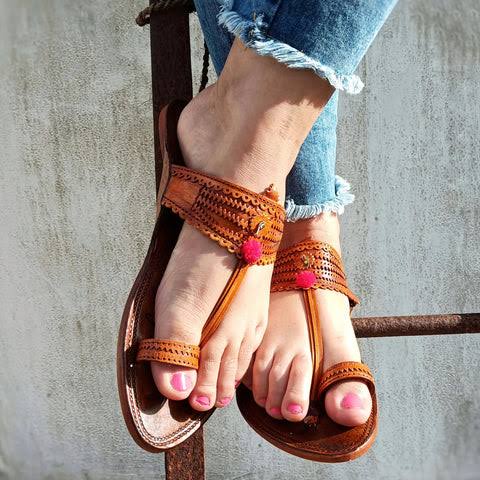
Kolhapuri Chappals: A Cultural Symbol
Originating from Kolhapur in Maharashtra, these hand-crafted leather sandals are more than 800 years old. Traditionally made by the Chamar and Sutar communities, they represent artisanal excellence and sustainable practices — made without nails, often dyed using natural colors, and designed to last decades.
Despite receiving a Geographical Indication (GI) tag in 2019, the global fashion industry continues to imitate these designs without proper acknowledgment or royalties to the artisans. Brands like Prada taking design inspiration without credit dangerously edges toward cultural theft.


Why It’s Time the Indian Government Steps In
India boasts a treasure trove of indigenous crafts — but without proactive preservation and promotion, many risk being “discovered” by Western brands and rebranded as luxury without attribution. Here’s what the Indian government must do:
1. Global Brand Watchdog for GI-Tagged Products
Establish a regulatory body that monitors misuse of GI-tagged products like Kolhapuris globally. Legal notices and diplomatic channels should be activated when misuse occurs.
2. Mandatory Credit in Global Collaborations
Push for WTO-influenced policies where GI-tagged products must be credited to their region and artisan cluster in global trade and collaborations.
3. Celebrity-led Campaigns
Partner with Bollywood celebrities to lead campaigns promoting Indian crafts — creating mass awareness and increasing domestic pride.
4. Subsidies and Support for Artisans
Provide economic incentives and grants for traditional artisans to scale up production and modernize marketing without compromising authenticity.
5. Fashion Education Reform
Introduce Indian textile and craft history into fashion design curricula, so future designers value indigenous design origins.



Conclusion
Kolhapuri chappals are not a trend — they’re a timeless heritage. Bollywood has always played its part in keeping them culturally alive and fashion-forward. But now, it’s the turn of our policymakers and citizens to step in and ensure India gets the credit — and the control — it rightly deserves.
Let the world admire Kolhapuris, but let it also remember where they come from.