
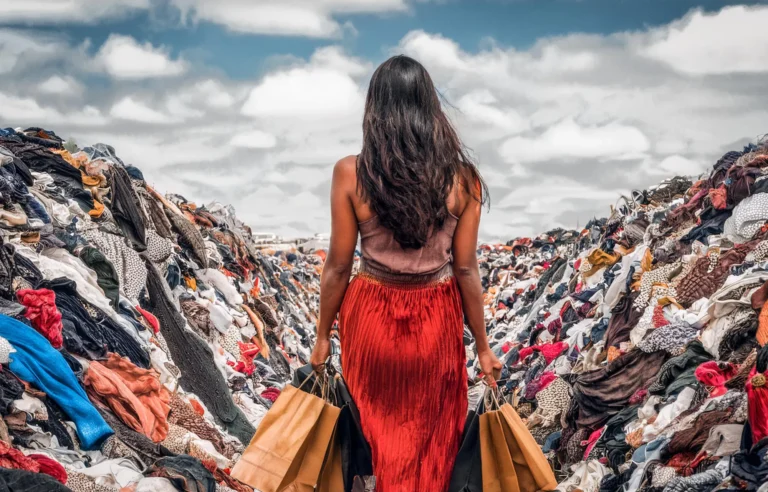
Recently, France’s Senate overwhelmingly approved a landmark bill targeting ultra‑fast fashion—fast, disposable, and cheap clothing, especially from Chinese e-commerce giants like Shein and Temu. A ban on advertising, influencer promotions, strict eco‑taxes, and hefty fines for non-compliance.
What’s in the Law
1. Advertising and Influencers
- From June 2025, there’s a ban on direct and indirect ads for “non‑durable textiles,” including fast-fashion promotion by influencers.
- The Senate reinstated these tough restrictions after a temporary softening during debates.
2. Eco‑Tax on Garments
- Fast fashion items will carry an eco‑tax, starting at €5 per item in 2025 and rising to €10 by 2030—or up to 50% of the pre‑tax price.
3. Clearer Consumer Information
- Brands must provide visible product information—origin, lifecycle, environmental impact—comparable in size to the price tag.
4. Package Taxes for Imports
- Parcels under 2 kgs from outside the EU will face special taxes (€2–4) to discourage cheap, small‑parcel shipments typical of these ultra‑fast platforms.
5. Compliance & Penalties
- Non-compliant brands risk fines up to €100,000 for advertising violations and eco‑taxes for low-durability goods.
Why This Matters
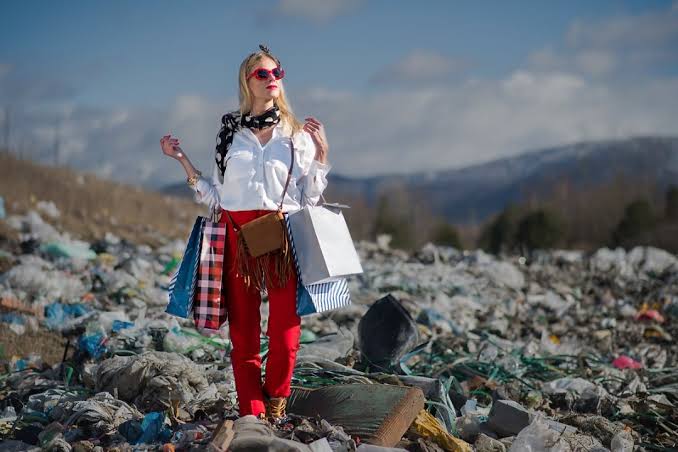
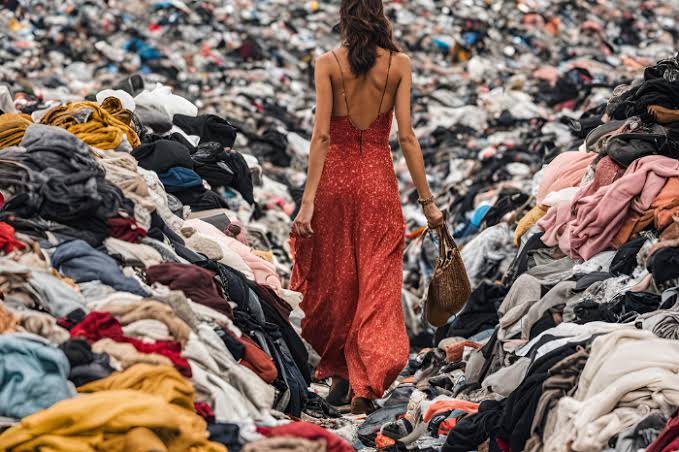
- Environmental Impact: France sees ~35 garments discarded every second —this law is a decisive push toward reducing waste.
- Setting a European Standard: The EU is watching—France’s bold move may shape future EU-wide legislation .
- Industry Protection: The distinction between “ultra” and “classic” fast fashion shields European brands like Zara or Kiabi, prompting criticism of protectionism.
- Influencer Accountability: Social media influencers promoting ultra‑fast fashion in France may finally face real penalties.
What’s Next?
- EU Review & Joint Committee: France must submit the bill to the European Commission and reconcile Senate and lower-house versions by September.
- Launching & Rule‑making: Enforcement, criteria definitions, and penalties will roll out via decrees once the law clears these stages.
- Industry Response: Environmental groups are alarmed this law might not go far enough, while domestic retailers celebrate the boost.

France captures a momentous pivot: from passive consumers to a nation demanding accountability from fast-fashion giants. This legislation doesn’t just regulate ads—it reshapes consumer culture, underlining France’s ambition to lead on sustainable fashion.
Fast-fashion lovers in France may soon find fewer impulse buys online—and a lot more info, taxes, and influencer accountability. It’s both radical and revealing: a national stand against clothes designed to be tossed.